
Introduction: Nutrition as a Tool for Ageing Resilience
Ageing is often treated as an inevitable decline, but science tells a more hopeful story. Many age-related changes are influenced by diet-driven inflammation, and the gut microbiome plays a central role in this process.
Understanding how nutrition shapes the gut can empower us to age more healthfully and reduce the risk of chronic disease.
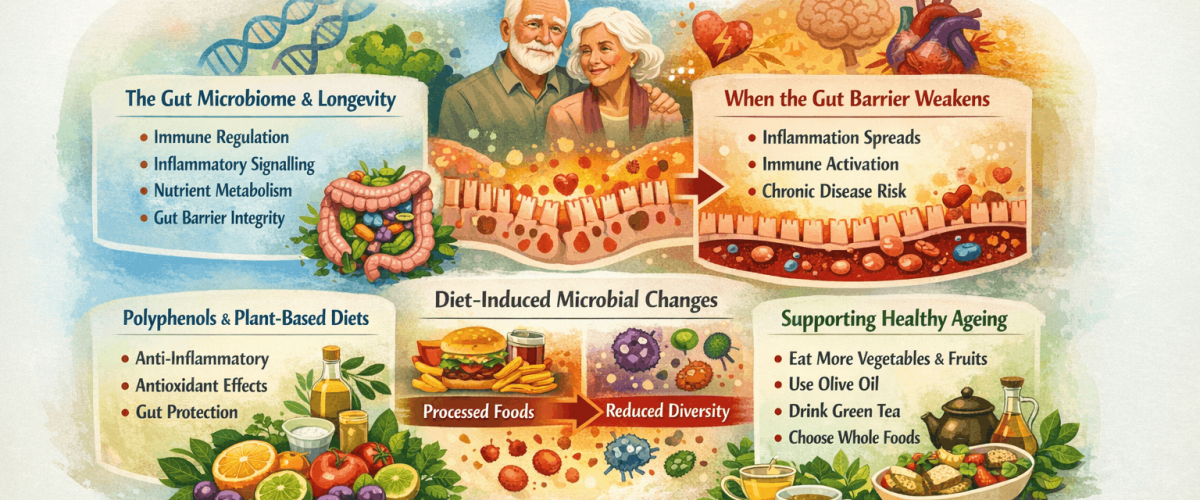
The Gut Microbiome: A Central Player in Longevity
The gut microbiome influences:
- Immune system regulation
- Inflammatory signalling
- Nutrient metabolism
- Gut barrier integrity
As microbial balance shifts with age, inflammatory signalling can increase — affecting tissues far beyond the digestive tract, including the brain, muscles, and cardiovascular system.
When the Gut Barrier Weakens
A healthy gut lining acts as a selective barrier, allowing nutrients through while blocking harmful substances. With age and poor dietary patterns, this barrier may become compromised.
When this happens:
- Inflammatory molecules enter circulation
- The immune system becomes chronically activated
- The risk of metabolic and inflammatory diseases increases
This process links gut health directly to age-related decline.
Diet-Induced Microbial Changes and Ageing
Western-style diets — high in refined carbohydrates, low in fibre, and rich in ultra-processed foods — are associated with:
- Reduced microbial diversity
- Increased pro-inflammatory bacteria
- Lower production of protective microbial metabolites
Over time, these changes contribute to systemic inflammation and reduced metabolic flexibility.
Polyphenols and Microbial Metabolites: A Protective Pathway
Plant-based diets rich in polyphenols support microbes that produce compounds with:
- Anti-inflammatory effects
- Antioxidant properties
- Protective actions on gut and immune cells
These microbial metabolites help regulate immune responses and may play a role in protecting against age-related diseases.
Supporting Healthy Ageing Through Everyday Food Choices
Small, consistent dietary choices can support gut health over time:
- Including colourful fruits and vegetables daily
- Using olive oil as a primary fat
- Drinking tea or herbal infusions rich in plant compounds
- Prioritising whole foods over packaged options
These habits help maintain microbial diversity and support a more balanced inflammatory response.
Final Thought
Ageing is not just a matter of time — it is shaped by how we nourish our gut ecosystem. Supporting the microbiome through thoughtful nutrition may be one of the most effective strategies for promoting long-term health, vitality, and resilience.
Everything is optimised to rank separately, avoid keyword overlap, and reinforce your authority in nutrition and gut health.